
Blog
Coastal HVAC Readiness: Five Essentials for Reliable Cooling Performance
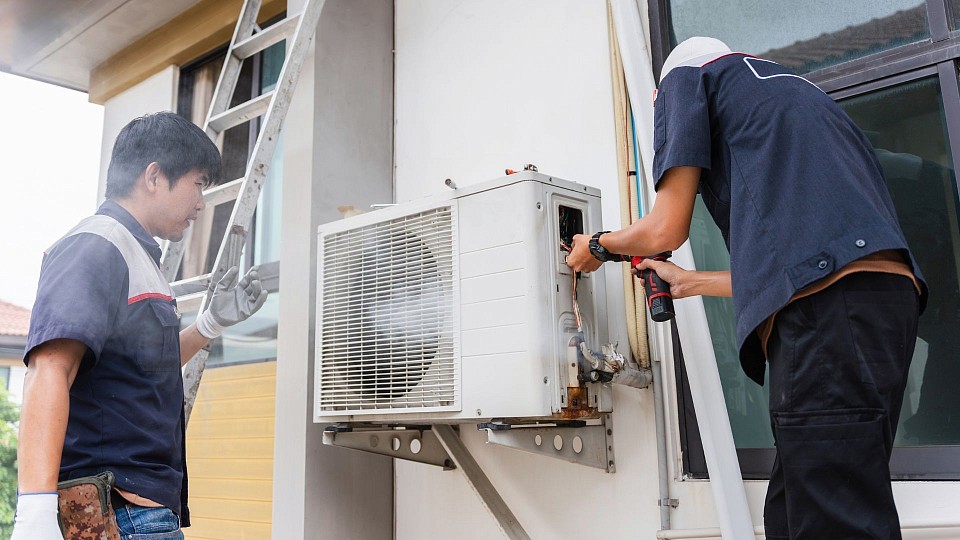
Coastal climates demand a specialized approach to air conditioning, where heat, humidity, salt air, and sudden storms test the reliability and resilience of every system component. Understanding these dynamics helps homeowners and businesses maintain steady comfort and avoid unexpected disruptions during peak seasons.
1. Understand Coastal Load and Humidity Dynamics
Air conditioning in coastal regions faces dual stressors: high latent loads from humidity and frequent temperature swings driven by ocean-influenced weather. Systems that seem adequate on paper can struggle in practice if they are not sized and configured to manage moisture as effectively as heat. A home with substantial infiltration from wind-driven air, for instance, may feel clammy even when the thermostat reads the correct temperature. To counter this, best practices include verifying the building envelope, ensuring proper return and supply balance, and selecting equipment with features like variable-speed blowers and multi-stage compressors. These technologies lengthen runtimes at lower speeds, which improves dehumidification without sacrificing comfort. Consider a scenario where an older single-stage unit short cycles on a mild but humid evening; occupants may perceive stickiness and musty odors. Upgrading to a system with better humidity control can resolve both comfort and indoor air quality issues while easing strain on the equipment.
2. Prioritize Preventive Maintenance to Avoid Peak-Season Failures
Coastal air contains salt and fine particulates that can accumulate on outdoor coils, fan blades, and electrical connections. Without routine cleaning and inspection, heat transfer efficiency drops, current draw increases, and components wear prematurely. A thorough maintenance visit typically includes coil rinsing, condensate drainage checks, thermostat calibration, airflow verification, and visual examination of contactors and capacitors. Consider the ripple effect: a partially blocked condenser may cause extended runtimes, which then elevates indoor humidity and drives up energy use. In contrast, a clean system with verified refrigerant charge operates within design parameters, maintaining steady comfort even on oppressive days. Real-world examples include catching a frayed blower belt before it snaps during a weekend gathering, or clearing a slowly developing algae clog in the drain pan that would otherwise overflow after a week of rainy weather. Consistent upkeep reduces surprises and supports dependable operation during the hottest afternoons.
3. Build Resilience for Storms and Grid Instability
Coastal storms bring surges, lightning, and brief outages that can destabilize HVAC controls and compressors. Surge protection, proper grounding, and compliant disconnects are frontline defenses against transient voltage spikes. After a storm, systems should be assessed for debris intrusion, fan obstruction, or standing water near pads and electrical enclosures. For buildings with frequent outages, pairing HVAC with a properly sized backup power solution can preserve indoor conditions and deter mold growth, especially when humidity lingers. Imagine returning from a short evacuation to discover a tripped float switch and soaked carpet near the air handler. A routine post-storm checklist—confirming clear drains, secure electrical connections, and unobstructed airflow—can prevent a minor hiccup from turning into a larger repair. These safeguards also reduce wear caused by rapid cycling when power is restored and help maintain consistent comfort as temperatures rebound.
4. Recognize Early Warning Signs and Respond Quickly
Unusual noises, erratic cycling, warm air at the registers, elevated indoor humidity, or a musty odor from supply vents can all indicate emerging issues. Prompt attention is especially important during heat waves when delays can escalate component stress. In coastal towns experiencing seasonal tourism, demand spikes for service can extend response times, making early intervention even more valuable. For example, a faint rattle from the condenser fan may signal loosening hardware that could later damage the motor, while intermittent thermostat drops might point to weak low-voltage wiring connections. Homeowners and facility managers who document symptoms—time of day, weather conditions, and changes in indoor comfort—enable faster diagnosis. During peak heat, calls for emergency ac repair wilmington frequently involve simultaneous strains on electrical systems and refrigeration cycles, so identifying problems at the first sign of drift from normal operation can prevent loss of cooling during critical hours.
5. Optimize System Design for Longevity and Comfort
Beyond maintenance, thoughtful system design extends equipment life and ensures comfort in challenging environments. Proper duct sizing and sealing, correct refrigerant line lengths, and consideration of return air placement mitigate hot spots and reduce compressor load. In humid regions, supplemental dehumidification or thermostats with humidity setpoints can stabilize conditions during shoulder seasons when cooling demand is light but moisture remains high. Filtration strategy matters, too: a higher-efficiency filter can improve air quality, but static pressure must remain within acceptable limits to protect blower motors and maintain airflow. Practical examples include relocating a return grille away from a kitchen to minimize grease-laden particulates, or installing a corrosion-resistant coil coating when the outdoor unit sits within a short distance of salt spray. Attention to these details pays dividends in quieter operation, fewer nuisance shutdowns, and more consistent comfort during long stretches of muggy weather. When combined with regular checkups and swift responses to anomalies, these design choices deliver durable, efficient performance season after season.
Coastal HVAC Care: Five Proven Strategies to Protect Performance and Comfort
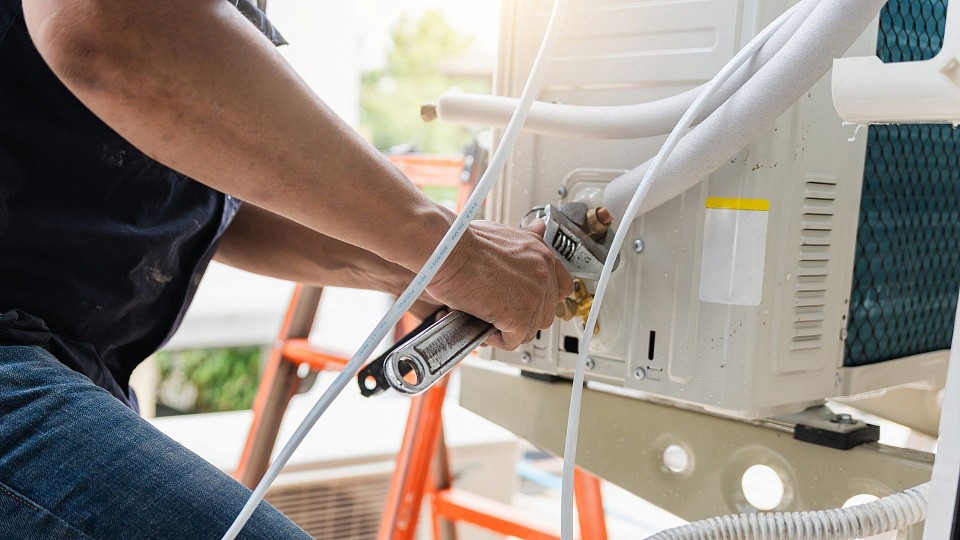
Living near the coast brings unique HVAC challenges that demand a thoughtful approach to maintenance, equipment selection, and day-to-day operation.
1) Guard Against Salt-Air Corrosion Before It Starts
Coastal air carries salt and moisture that accelerate corrosion on outdoor condenser cabinets, coil fins, and exposed fasteners. Once rust takes hold, efficiency drops and components wear prematurely. A proactive defense begins with routine rinsing of the outdoor unit using a gentle, low-pressure water stream to wash away salt film—especially after storms or windy days. Corrosion-resistant materials and protective coil coatings can also help create a durable barrier. When landscaping, keep shrubs and fencing at least two to three feet from the unit to promote airflow and reduce debris buildup. As an example, a homeowner who installs a wind-permeable fence instead of a solid barrier can cut down on salt-laden vortices while still ensuring the condenser can breathe. For properties right on the beachfront, consider elevating the condenser on a non-corrosive stand and using marine-grade hardware to extend service life. These steps take less time than major repairs and sustain long-term reliability.
2) Optimize Airflow and Duct Design for Humid Environments
In humid coastal climates, correct airflow is vital to comfort and system efficiency. Undersized returns or leaky ductwork strain equipment and create hot-and-cold spots. Begin with a professional assessment of static pressure and duct leakage; small corrections can deliver outsized results. Sealing gaps at boots, plenums, and joints helps conditioned air reach the living space while preventing unfiltered attic or crawlspace air from entering the system. Right-sized filters—changed on schedule—keep the blower moving air without unnecessary resistance; avoid overly restrictive filters unless the system is designed for them. In homes with additions, zoning may improve comfort by matching airflow to different usage patterns, such as directing more cooling to sunny rooms in the afternoon. Practical example: a coastal bungalow with a long supply run to a glassed-in sunroom may benefit from a dedicated damper and balanced register settings to maintain even temperatures without overcooling the rest of the home.
3) Prioritize Coil Cleanliness and Refrigerant Health
Evaporator and condenser coils are the heart of heat exchange. Even a thin layer of grime can reduce capacity and lengthen run times, which raises humidity and utility costs. Seasonal coil inspections and careful cleaning preserve performance and prevent small issues from spiraling into breakdowns. Refrigerant charge should be verified by measuring superheat and subcool according to manufacturer specifications; guesswork leads to poor dehumidification, icing, or compressor stress. In salty, sandy areas, the condenser coil may require more frequent attention due to airborne particulates. A real-world example: after a stretch of high-pollen weeks, a system may run longer to reach setpoint, yet interior temperatures feel clammy; cleaning the indoor coil and confirming proper airflow often restores crisp, balanced cooling. If a leak is suspected, swift diagnosis and repair help avoid compressor damage and protect the environment. Over time, these precision checks contribute to consistent comfort and fewer surprise outages.
4) Use Smart Controls to Tame Humidity and Energy Use
Thermostats with adaptive algorithms and compatible dehumidification controls can significantly improve comfort during muggy spells. Set reasonable schedules that reflect occupancy, and incorporate gradual temperature setbacks to avoid sudden load spikes. Features like compressor short-cycle protection and fan delay can enhance moisture removal without overcooling. Pair the thermostat with indoor air quality upgrades—such as dedicated dehumidification or enhanced ventilation strategies—when persistent stickiness or musty odors appear. For instance, a family that works from home in a coastal town may find that a modest midday temperature rise paired with a short pre-cool before the kids return from school strikes the right balance between comfort and efficiency. Remote monitoring is especially helpful for second homes; alerts can flag an abnormal rise in humidity or temperature so issues can be addressed before they become expensive. When problems do emerge, local expertise in ac repair Wilmington helps keep systems optimized for regional conditions.
5) Schedule Seasonal Maintenance and Plan for Replacement Wisely
Seasonal tune-ups are the backbone of reliable HVAC performance. A thorough visit typically covers electrical checks, capacitor health, blower wheel cleanliness, drain line clearing, thermostat calibration, and safety controls. Verifying temperature split and documenting trends in amperage or pressure helps forecast emerging issues. Create a simple checklist for spring and fall to align with cooling and heating demands. For equipment nearing the end of its lifespan, evaluate replacement with a whole-home view: insulation levels, air sealing, window performance, and duct condition matter as much as the nameplate rating. Coastal-ready units with durable finishes, thoughtfully sized coils, and quiet operation can reduce long-term costs and noise near patios or porches. For example, upgrading while also sealing a leaky return and improving attic insulation can allow a right-sized system to run steadier and dehumidify better than an oversized predecessor. Thoughtful planning prevents downtime during peak heat and keeps indoor comfort steady across changing seasons.
